
When people start building a website, they often focus on design first. Themes, colors, and layouts get attention quickly.
But in most sites I build, the biggest improvements happen before design even begins. The first step is defining what the website is supposed to do.
If that purpose isn’t clear, the site usually ends up with confusing pages, weak messaging, and no clear direction for visitors.
A simple purpose statement prevents that.
Table of Contents
Quick Answer
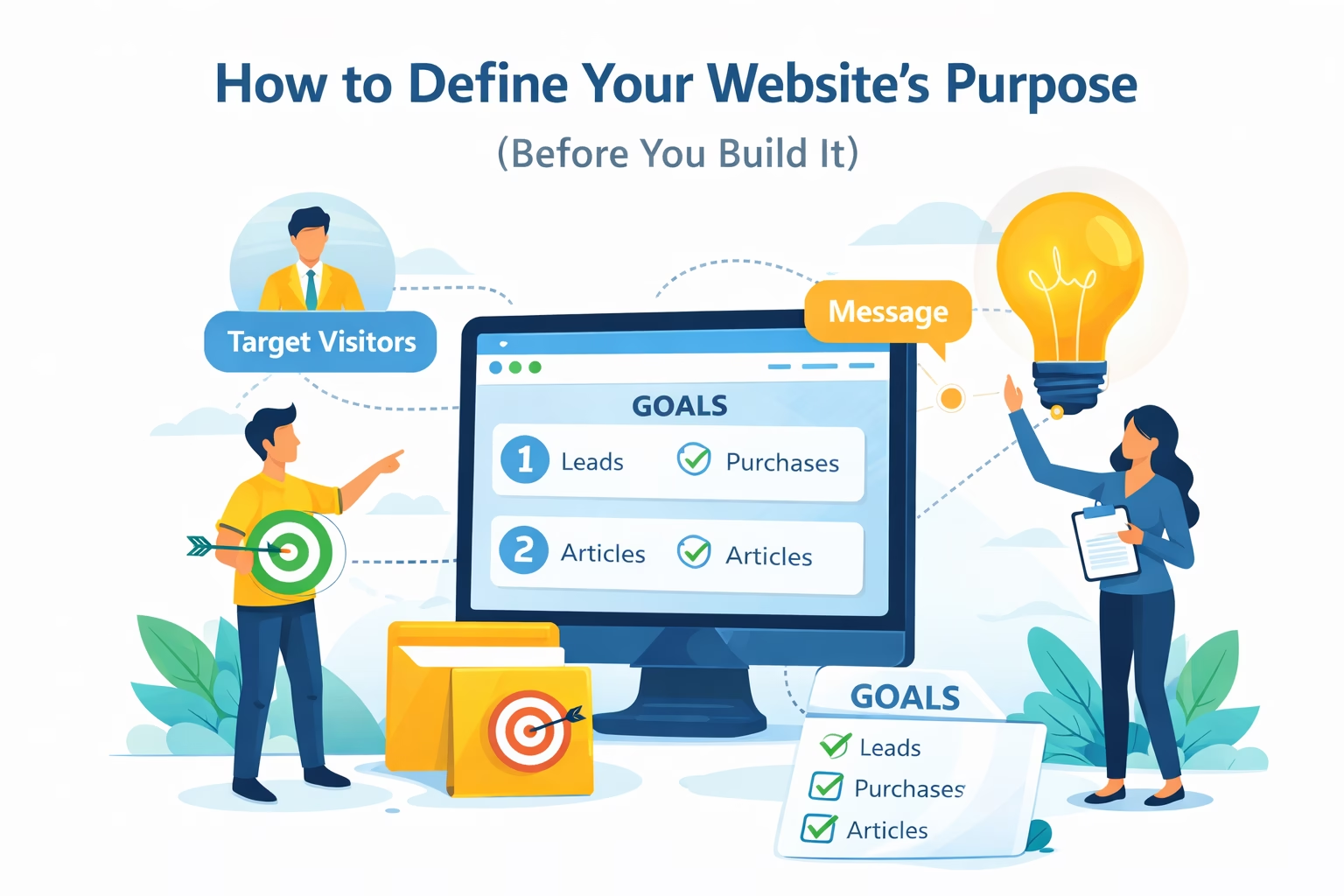
To define your website’s purpose, decide:
- what the site is meant to achieve
- who the site is for
- what action visitors should take
These three things shape everything that follows, including your content, navigation, and design.
If you want to see how search engines interpret site purpose and structure, Google’s documentation on creating helpful, people-first content explains how clear goals and useful pages help websites perform better in search.
Why Website Purpose Matters
Every page on a website should help move visitors toward a goal.
Without a clear purpose, websites often show problems like:
- pages that don’t connect to each other
- unclear calls to action
- content that doesn’t answer visitor questions
For example, a small business website may have the purpose of generating leads, while a blog might focus on publishing useful content and building traffic.
Once the goal is clear, decisions about structure and design become much easier.
When planning how pages connect and how visitors move through the site, it also helps to think about planning your website structure early in the process.
Identify the Main Goal of the Website
Start by asking a simple question:
What should visitors do on this site?
Common website goals include:
- contacting the business
- booking a service
- purchasing products
- reading articles
- joining a mailing list
Choose one primary goal. Other actions can still exist, but the main purpose should guide the site structure.
Define Your Target Visitors
A website built for everyone usually helps no one.
Instead, define who the website is meant for.
For example:
- local customers searching for services
- beginners learning a specific skill
- businesses researching solutions
Knowing the audience makes it easier to write clear page content and choose what information should appear on the site.
Decide the Key Pages the Site Needs
Once the goal and audience are clear, the main pages usually become obvious.
Most websites start with a simple structure:
- Home
- About
- Services or Products
- Contact
Additional pages can be added later as the site grows.
Keeping the structure simple at the beginning helps visitors understand the site quickly.
If you’re planning your page layout, the guide on essential website pages explains the typical structure most websites use.
Define the Core Message
The homepage should communicate the site’s purpose within seconds.
A helpful approach is to answer three questions clearly:
- What the site offers
- Who it helps
- What visitors should do next
For example:
“We help small businesses build fast, reliable WordPress websites.”
This type of message immediately tells visitors what the site is about.
Practical Tips From Real Website Builds
A few things I regularly recommend when defining website purpose:
Start with fewer pages and improve them. A strong five-page website is usually better than a large site with weak content.
Keep the message simple. Visitors should understand what the site does without needing to read long explanations.
Design should support the goal of the site. If the goal is generating inquiries, the contact option should be easy to find.
Common Mistakes
One common mistake is designing the website before defining the content. Layout works better when you already know what the page needs to say.
Another mistake is trying to achieve too many goals at once. When every page tries to do everything, visitors often end up doing nothing.
Finally, some websites focus heavily on company information instead of visitor needs. A website works best when it answers the questions visitors actually have.
When Website Purpose Becomes Clear
Once the purpose of the website is defined, the next steps become much easier.
You can start building the site by:
- choosing a domain name
- selecting reliable hosting
- installing WordPress
- building the main pages
The first practical step after defining your site’s purpose is usually choosing the right domain name for your website, since the domain often reflects the brand, topic, or business the site represents.
These steps are explained in the full guide Essential Steps to Build a Website.

Etienne Basson works with website systems, SEO-driven site architecture, and technical implementation. He writes practical guides on building, structuring, and optimizing websites for long-term growth.